Visual Arts
Working with the material tensions between permanence and decay, the handmade and the digital, the intimate and the monumental.
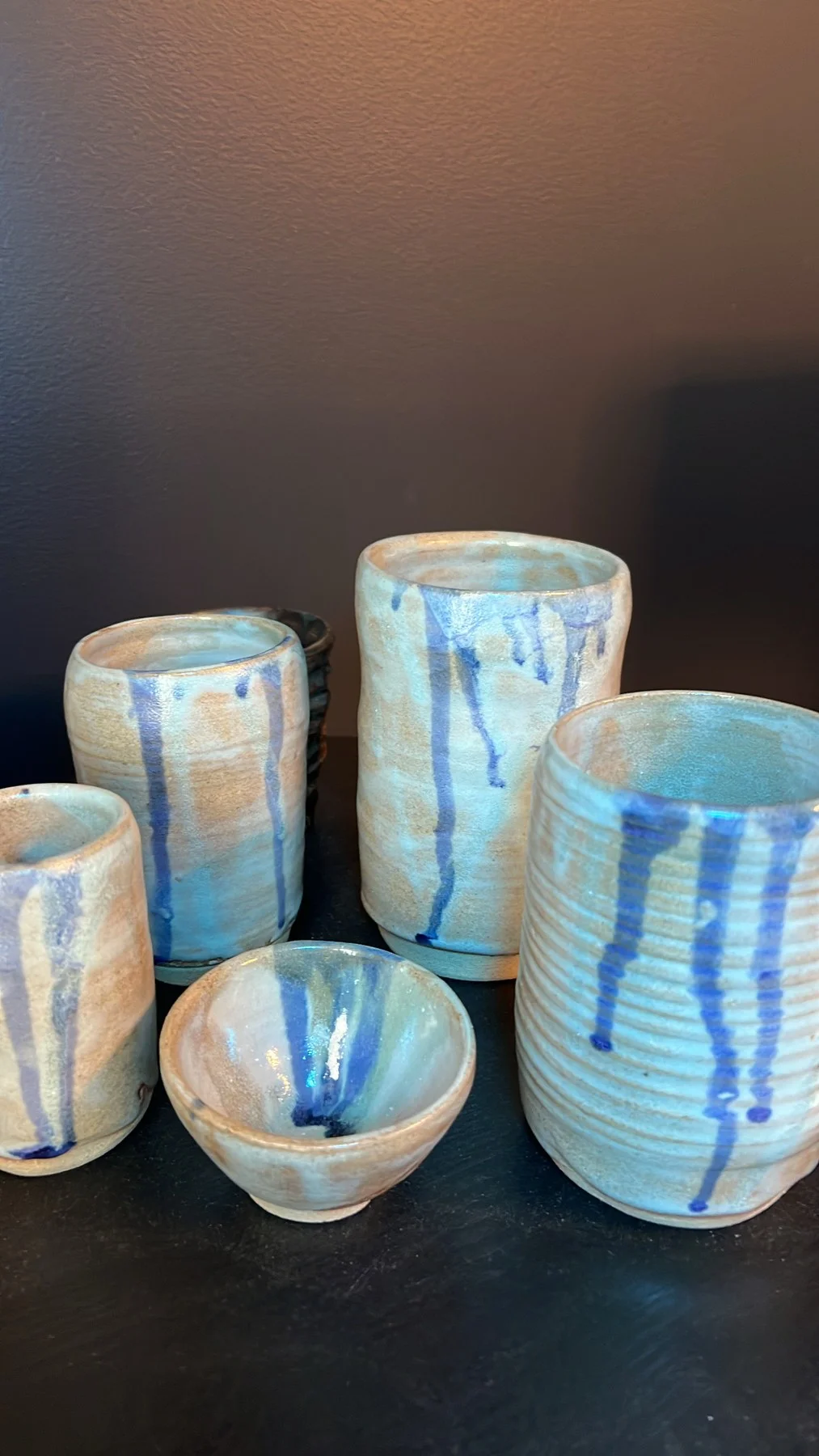
Running Blues
Always experimenting — setting up conditions for glazes to overrun each other, to merge, to do something I didn't quite predict. The work is in the setup. Then you get out of the way.
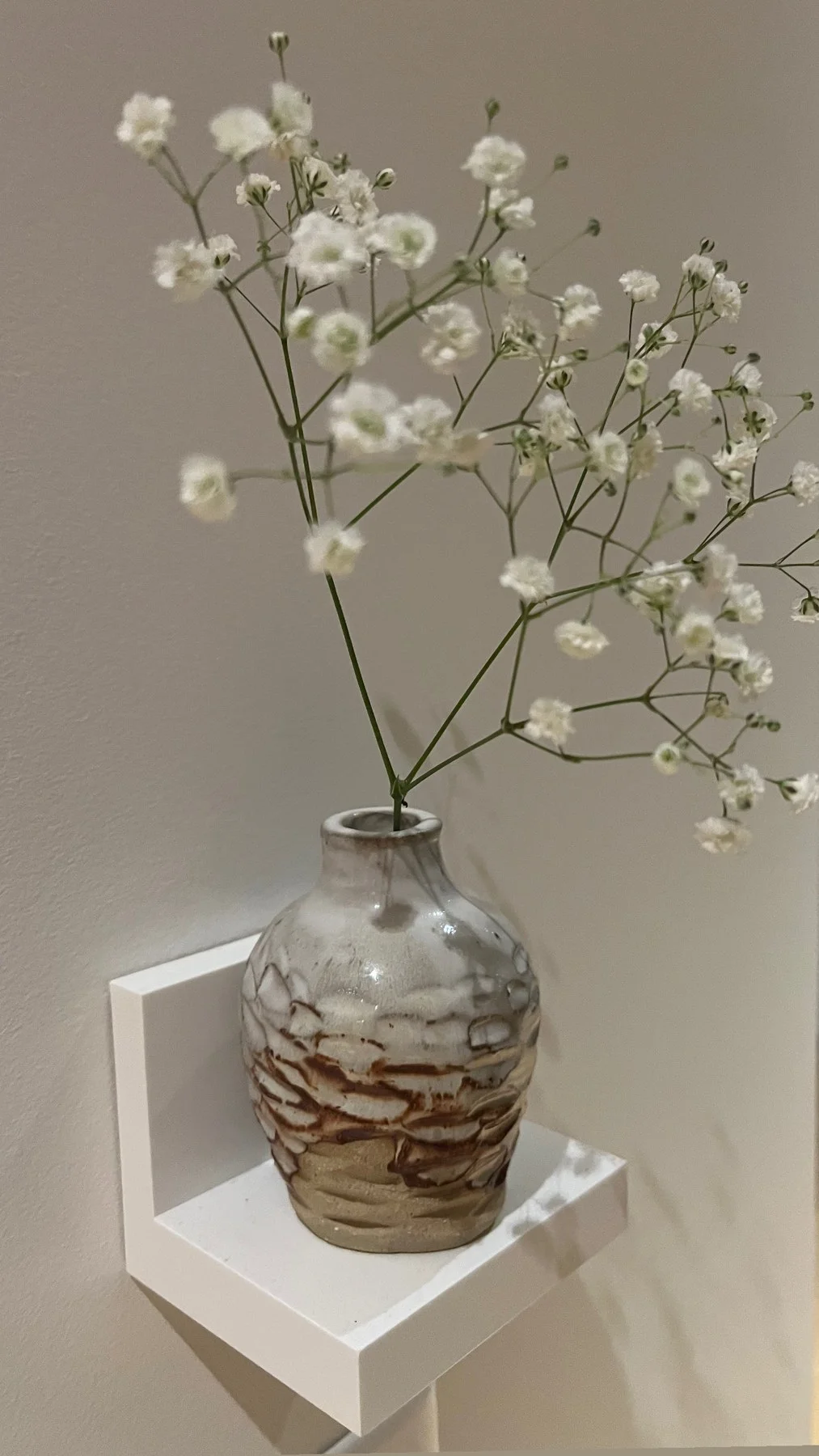
Functional stoneware exploring what happens when glazes are pushed past the point of certainty — celadon grounds with cobalt oxide applied in loose vertical strokes that run and pool through the firing; shino over iron-rich clay, where the white breaks to reveal warm ochre at the edges. Each piece sets up conditions for glazes to overrun, merge, and assert themselves.
The consistent thread across the ceramics practice is experimental layering — combining glazes without certainty of outcome, letting the kiln and the chemistry settle what the hand has only arranged. These pieces sit at either end of that range: one cool and running, one warm and breaking through.
Quiet Objects
The most honest form is the one that holds tea without announcing itself.
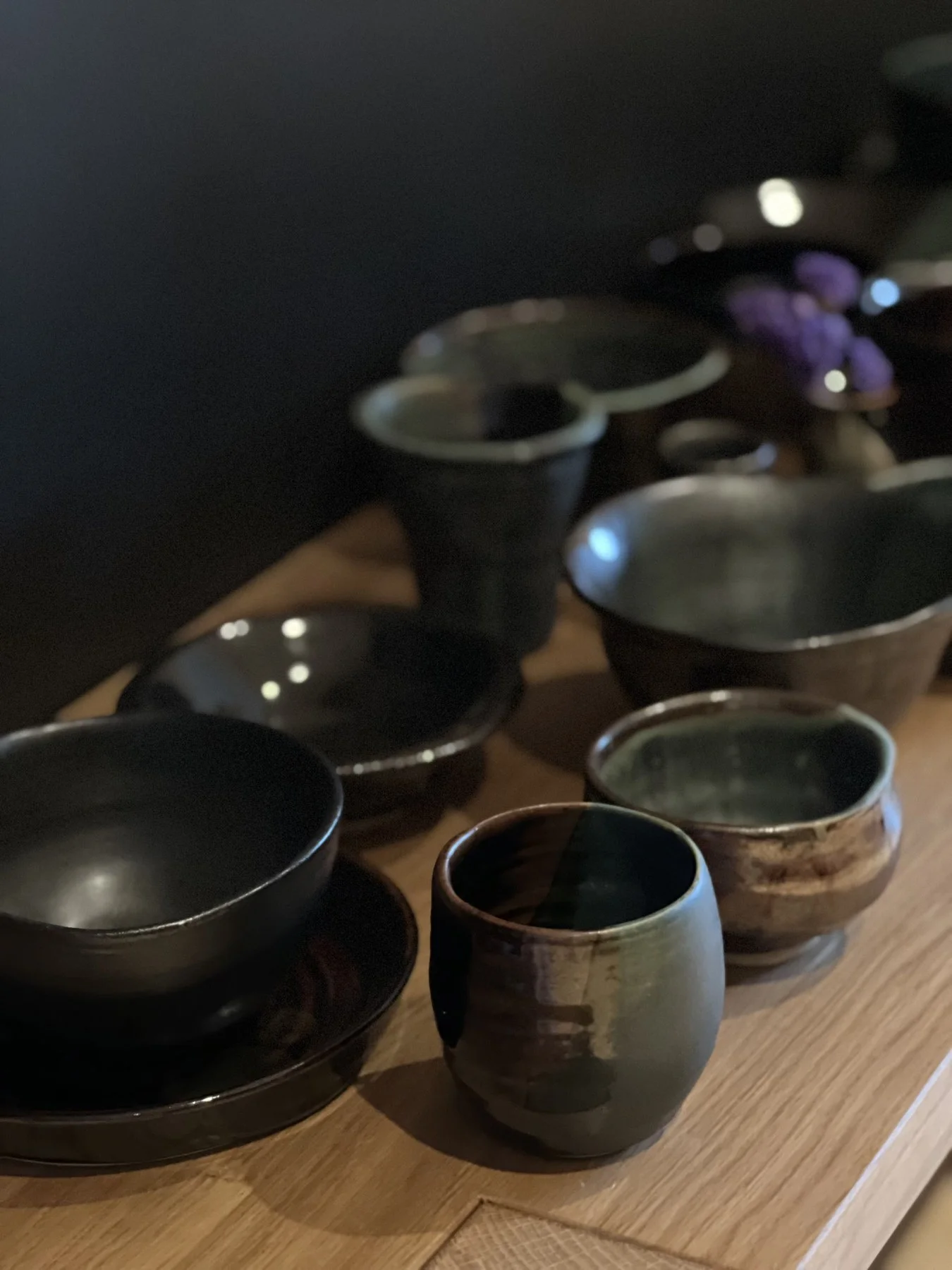
Japanese-inspired functional stoneware made to be used, not displayed. Each piece is thrown and altered by hand, then electric-fired with a tenmoku glaze — the iron-rich surface pooling and breaking in ways that reward attention without demanding it.
The forms follow a wabi-sabi logic: asymmetry as honesty, surface texture as record of process, the slight awkwardness that distinguishes the handmade from the manufactured. A bowl is most itself when someone is eating from it.
Green
The photographs were filed elsewhere. This is that folder.
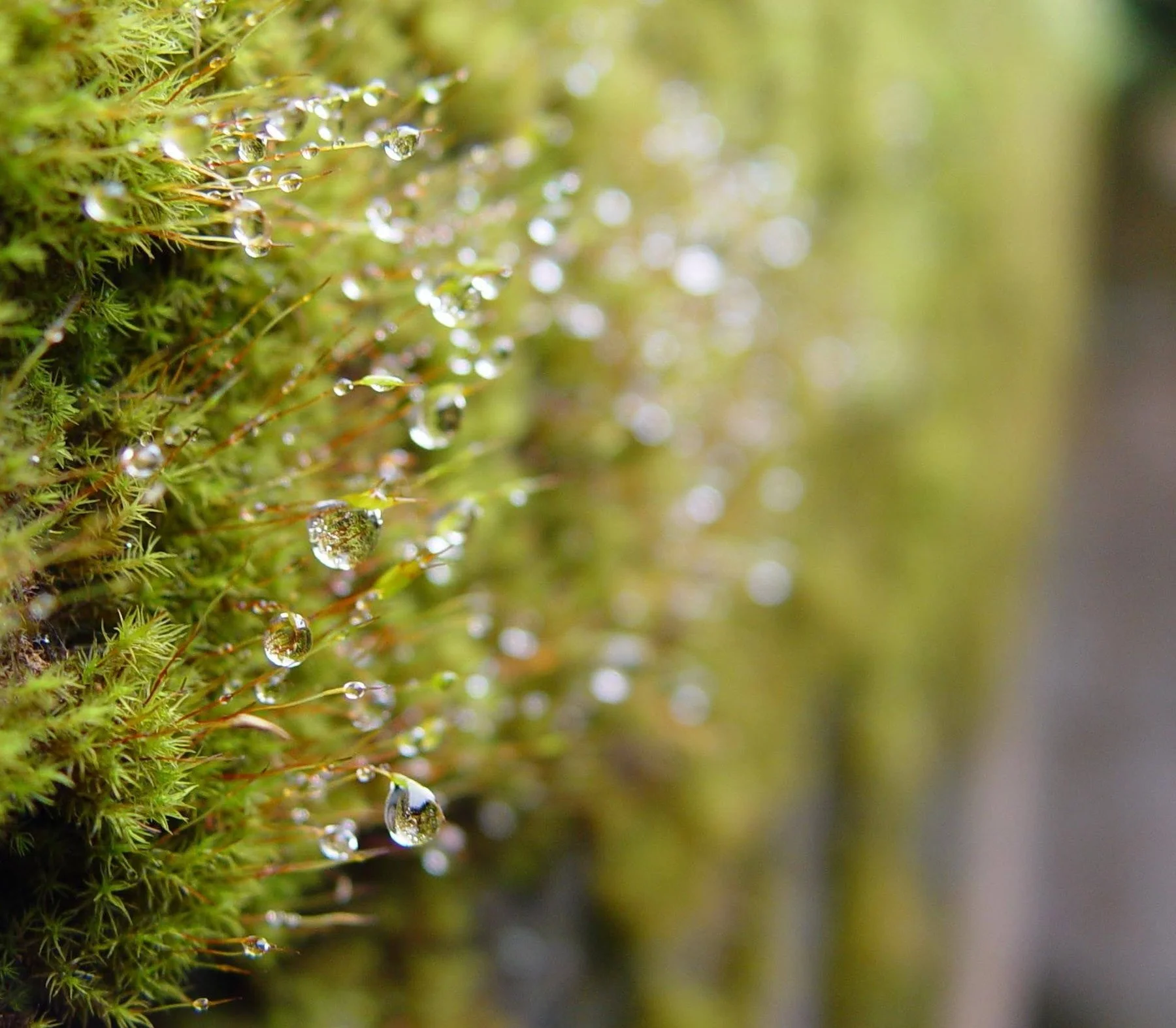
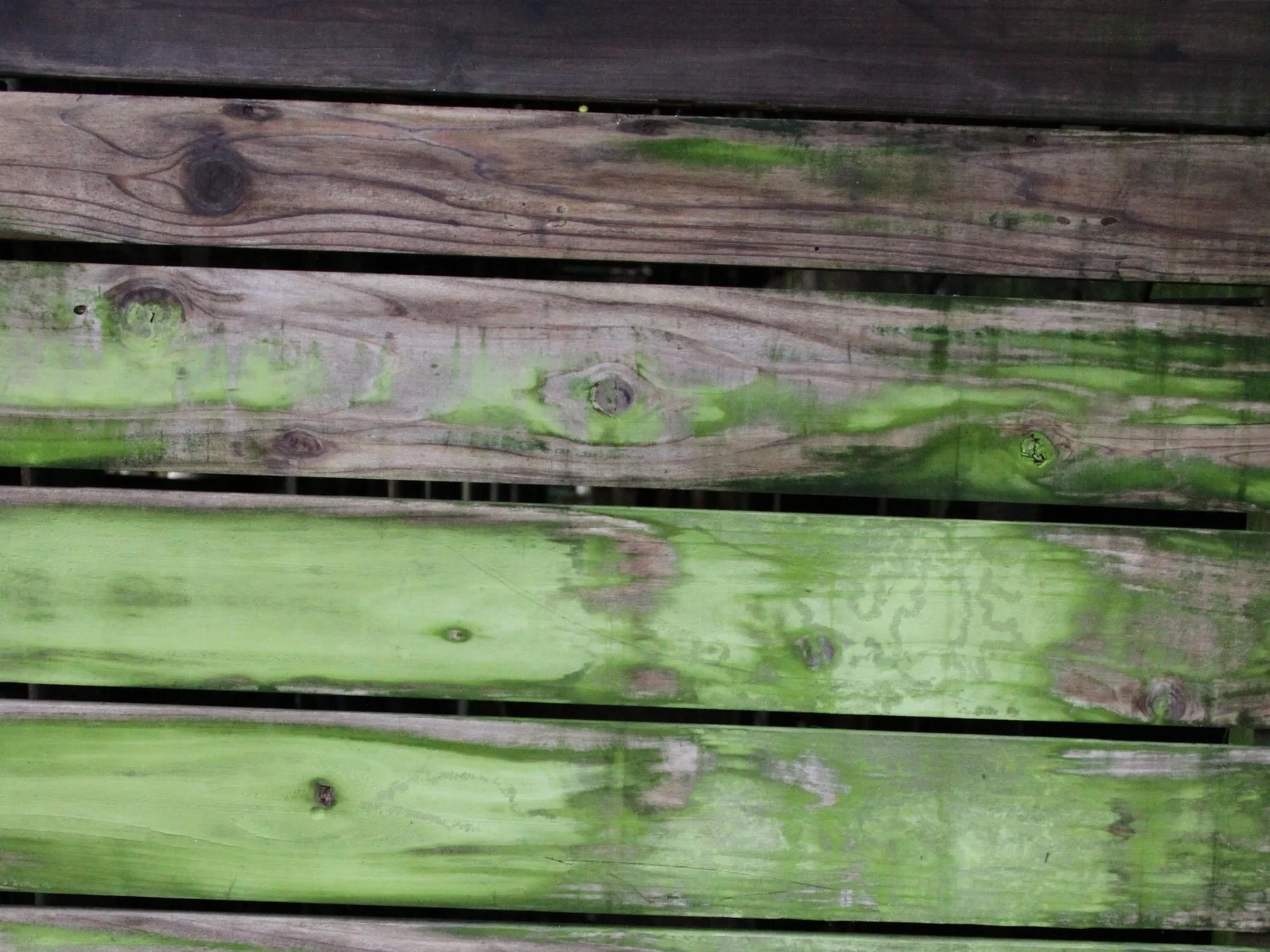
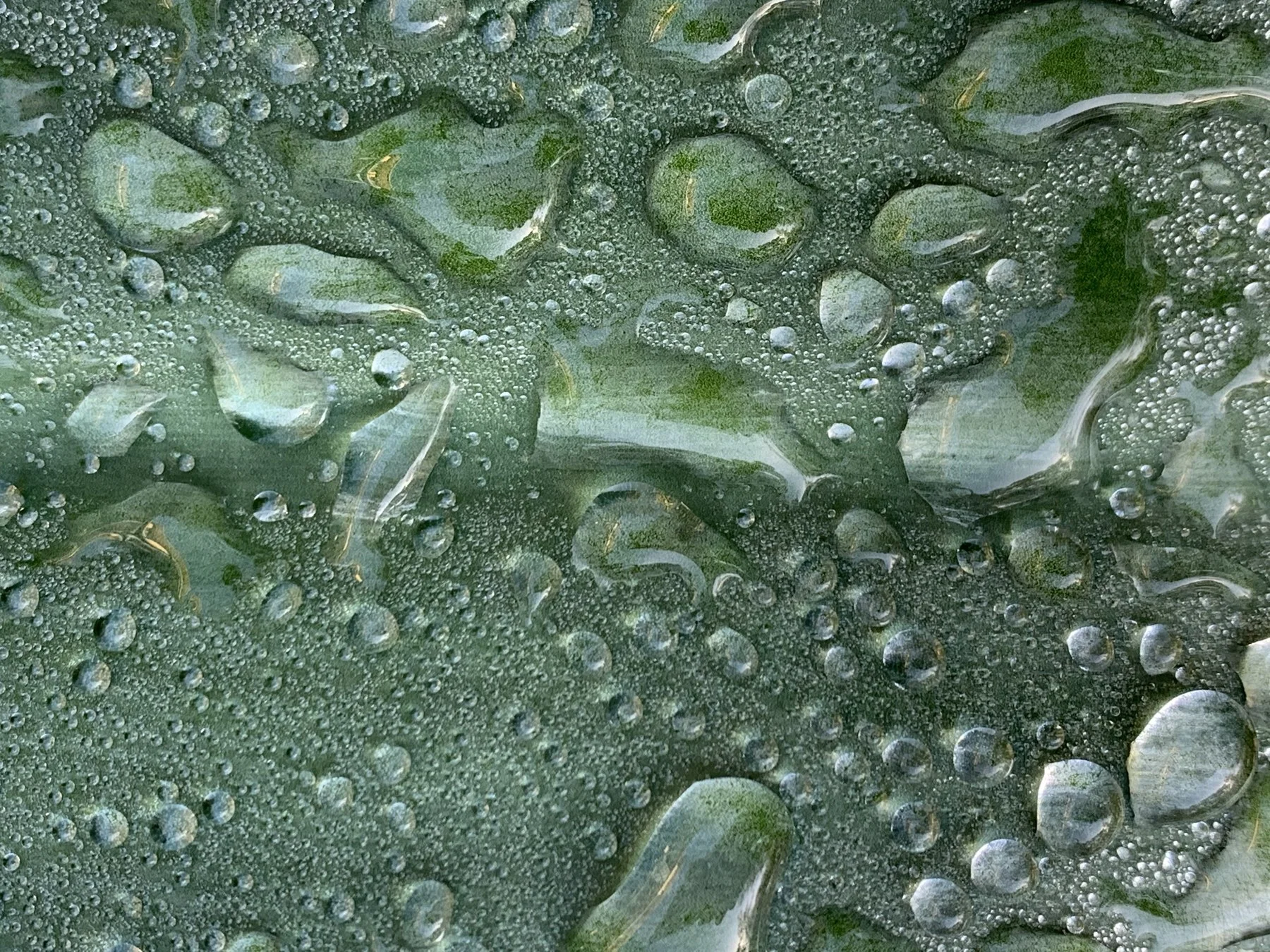
Sixteen years of photographs of the colour green. Lichen, weathered paint, bamboo in snow. Doorways in ochre walls. Moss after rain on a suburban fence. The collection grew quietly, across cities and years, from a practice of paying attention to things that didn't ask to be noticed.
For a long time these images lived in a folder set apart — not lost, but held at a distance. Learning to reclaim them was part of learning to trust what I find beautiful.
Neural Ceramics
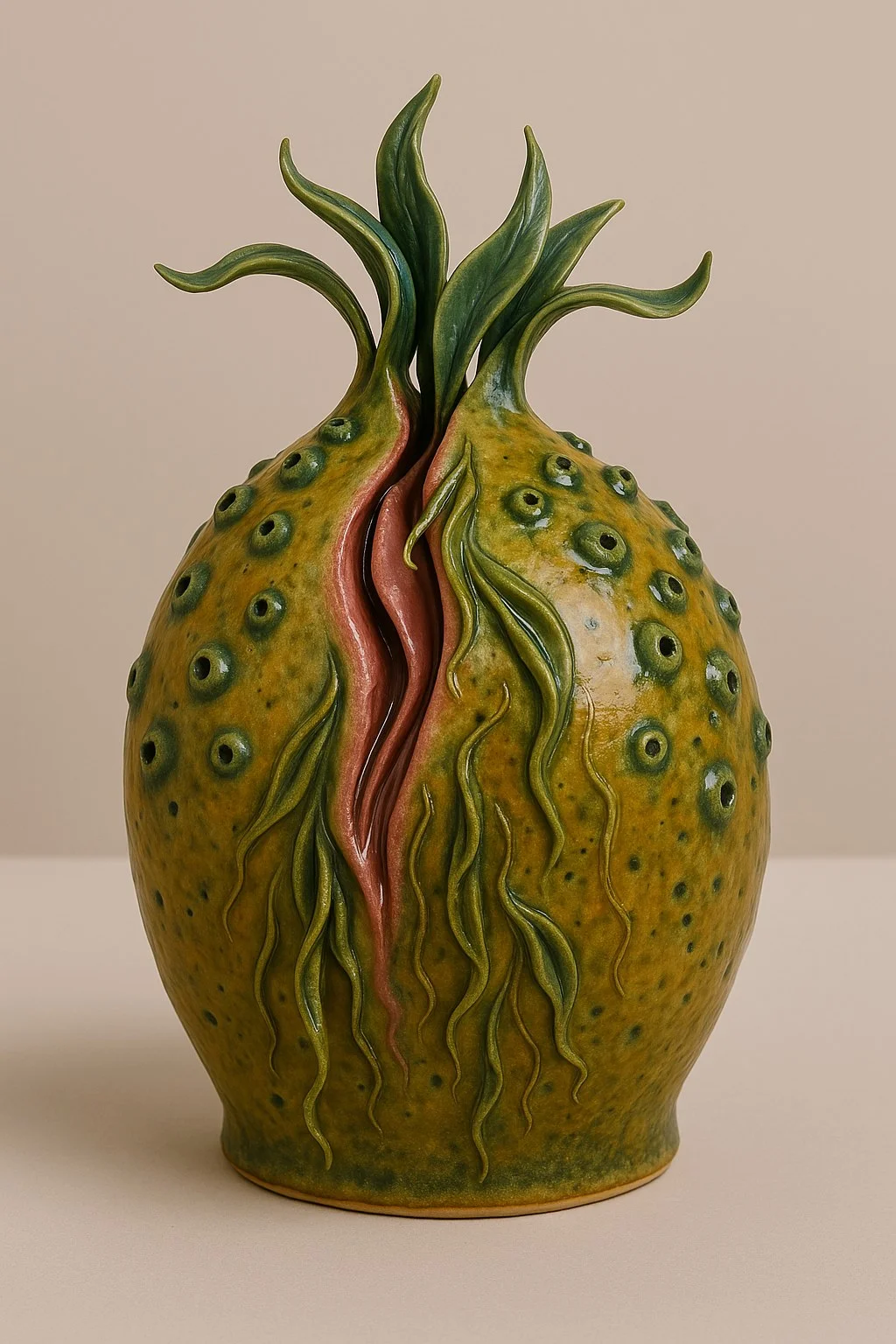
These images emerged from a generative process I think of as collaborative imagining — forms coaxed from the latent space of a model trained on ceramic objects, existing just past the edge of the physically possible. The algorithm proposed structural folds that gravity refuses, surfaces that no kiln could hold.
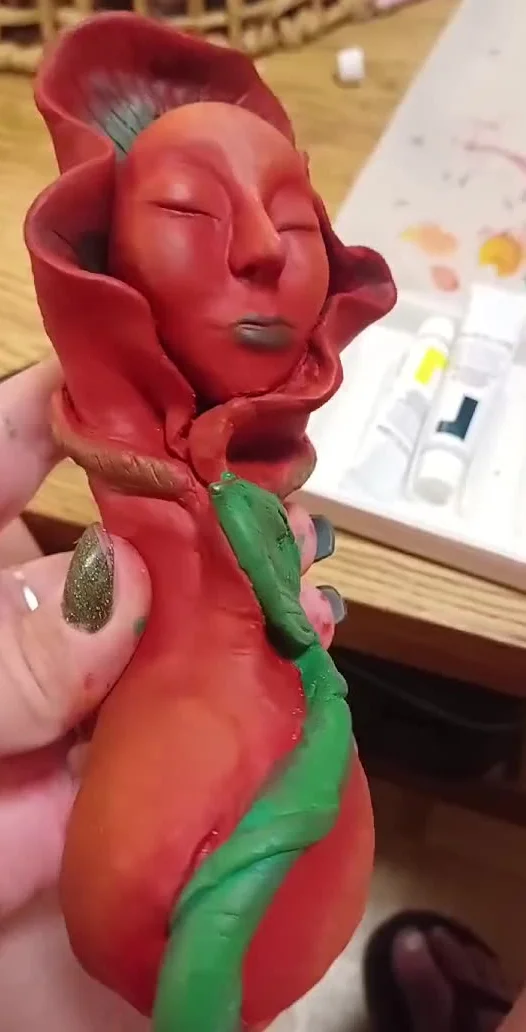
The physical translation was always the intention; it remained largely unrealised. One form did make it into the world — realised in air-dry clay and acrylic by artist and collaborator Amber Beans Harvie, working from the AI-generated source material. The piece was subsequently damaged; this documentation is all that remains.