Walking
Walking as research method, as generative process, as art form in itself. Long-distance routes, urban drifts, and the slow accumulation of attention that only the body in motion can produce.
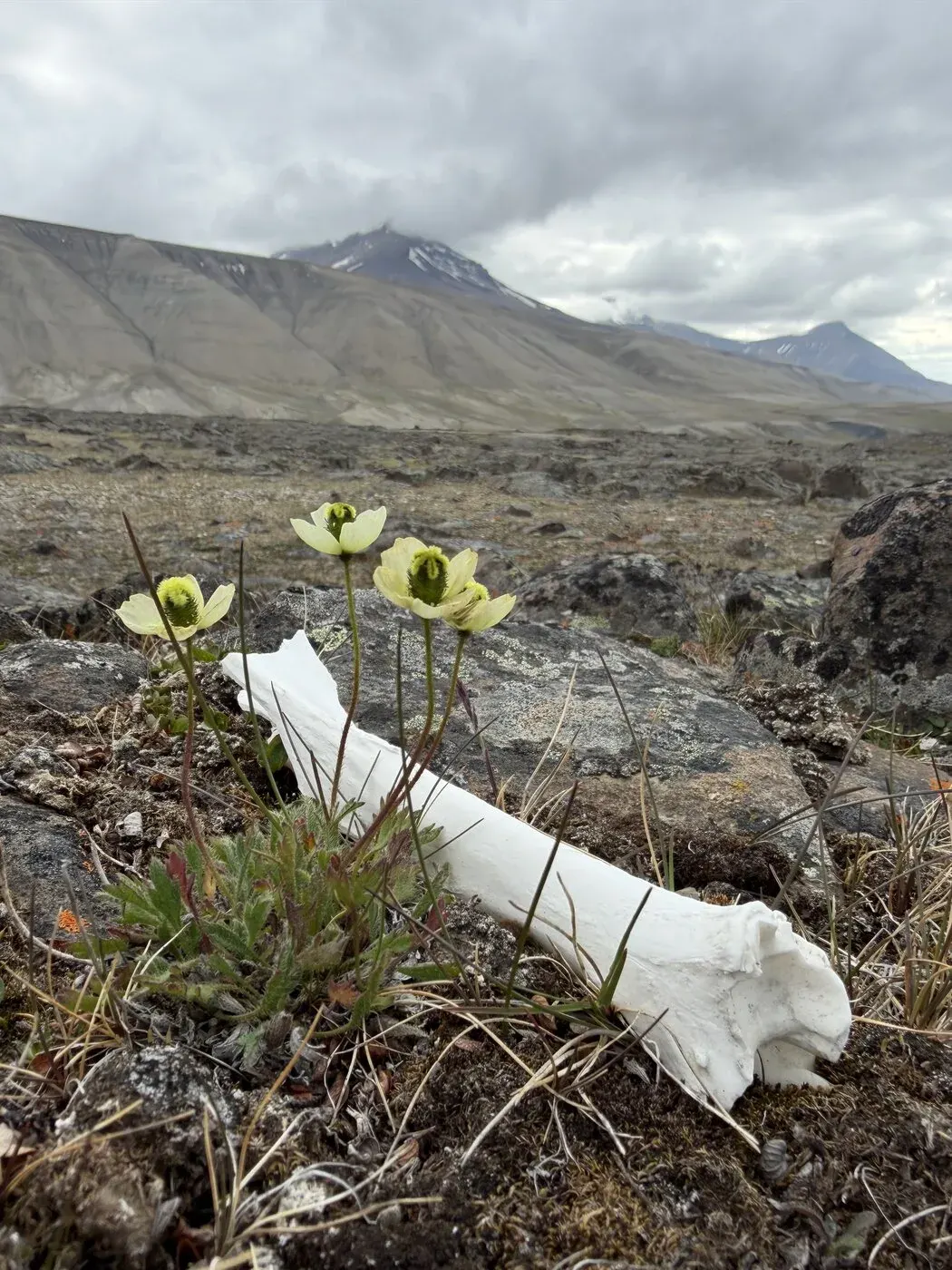
Svalbard — 81° North
A territory that keeps what it did not choose, and cannot let end.
A couple of weeks of shoreline, tundra, moraine and fjord in the High Arctic, reaching 81°36′N. The walking practice at its northernmost — the archive of encountered 8s meeting bones that will not decompose, and the world's plastic delivered by current to the emptiest beaches on Earth. Fieldwork for a paper on the Arctic cryosphere as an involuntary archive.
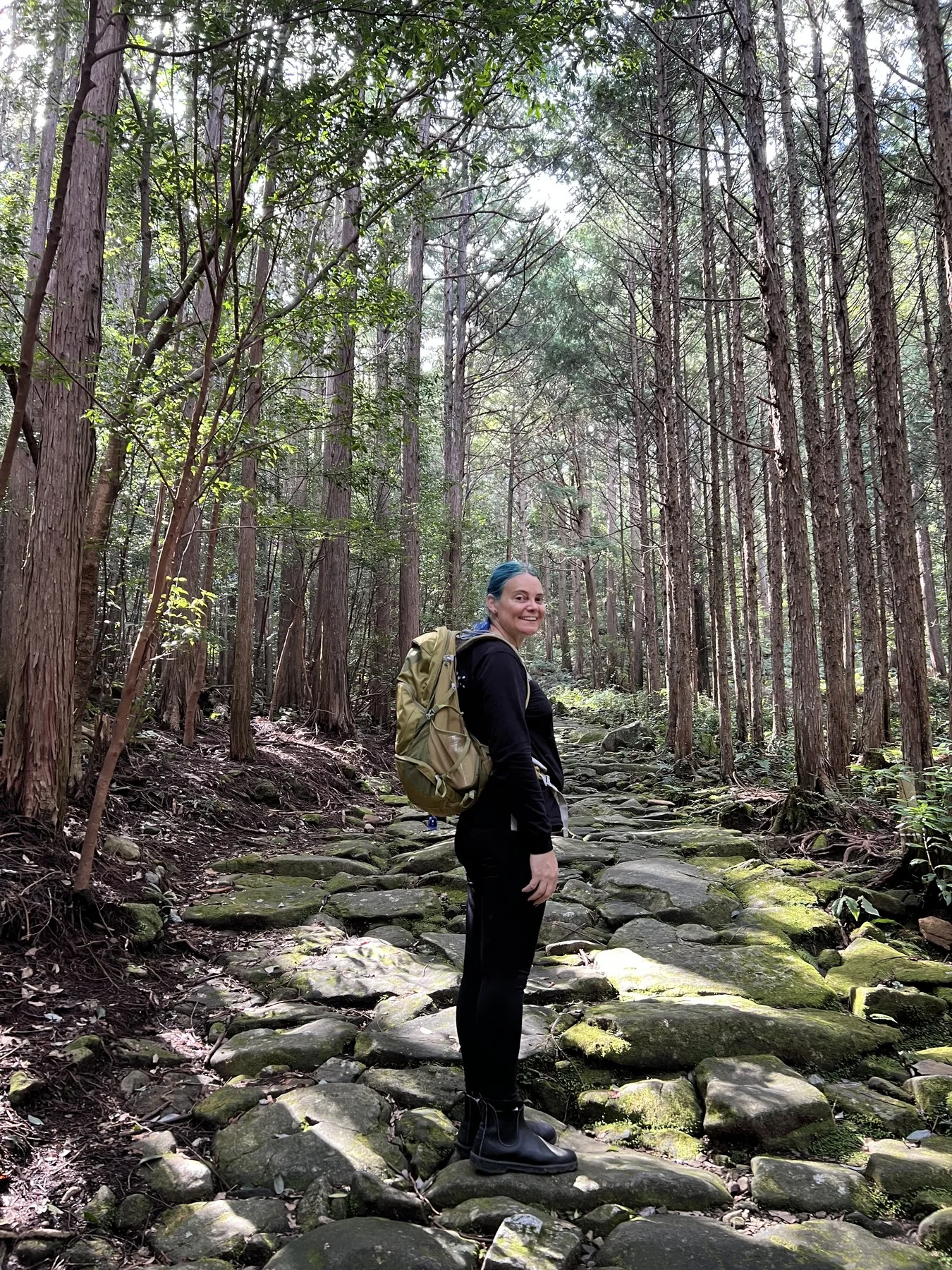
Kumano Kodo — Iseji
To walk the pilgrimage routes is not to travel through space but to travel through time — to place your feet where ten centuries of feet have been.
Ten days on the Iseji — the eastern route of the Kumano Kodo, a UNESCO World Heritage pilgrimage network on the Kii Peninsula, Japan, running from Ise Grand Shrine to the Kumano Hayatama Taisha in Shingu. Walking simultaneously as hachidō practitioner, as artist, and as pilgrim: the three practices indistinguishable by the end.
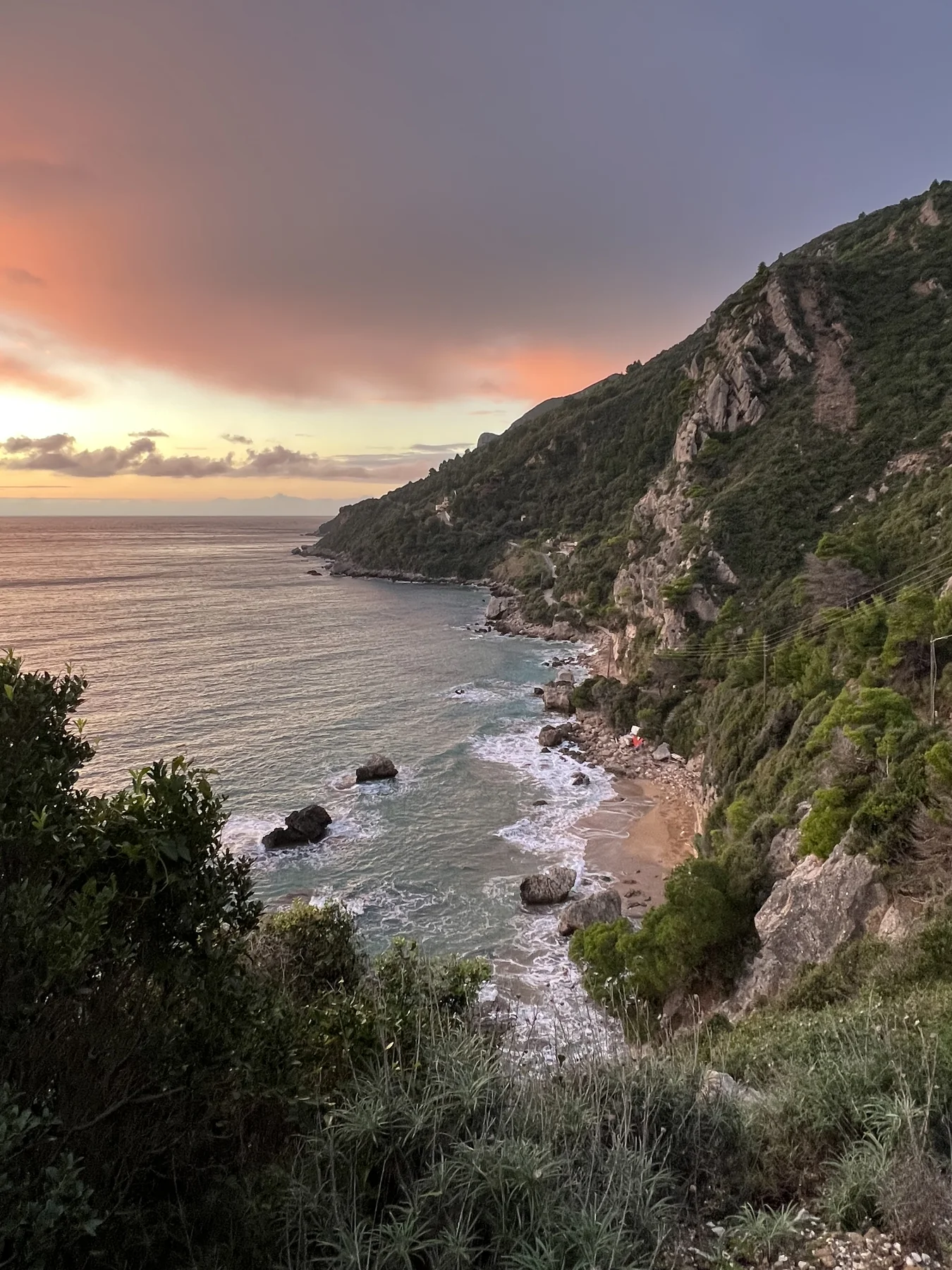
Corfu — Winter Walks
Two visits, November and December, to Corfu — the Ionian island where I'm completing my MARes. Walking as flânerie rather than task — coastal cliffs, old-town alleys, a lagoon at dusk. The first country I ever visited, returned to in winter, almost empty of tourists and fully itself.
Hachidō practice throughout: the figure-eight as recurrence, as the shape of return. 111 km across nine days. December proved 3.6× hillier than November — the same island, a different body of it.
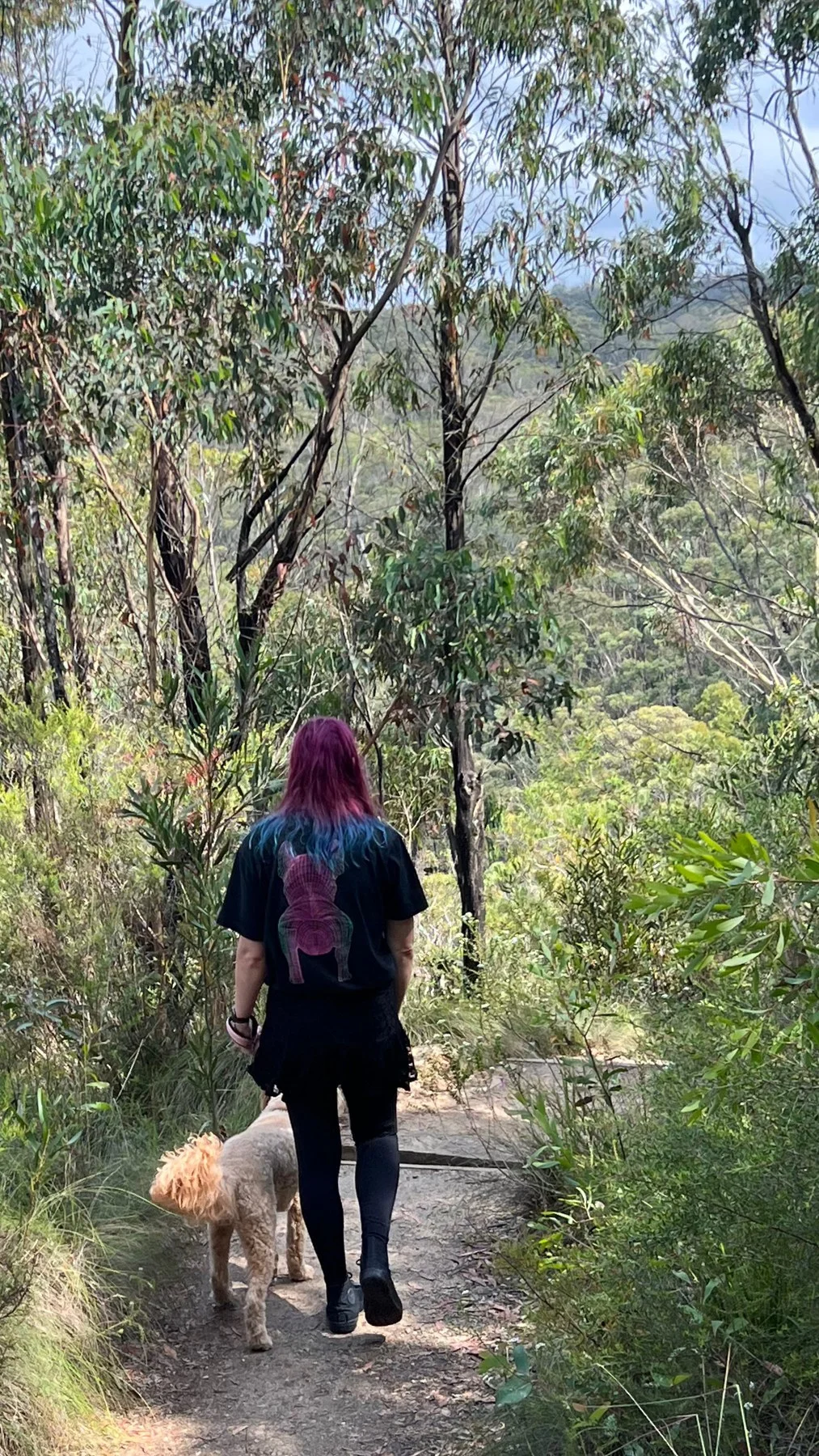
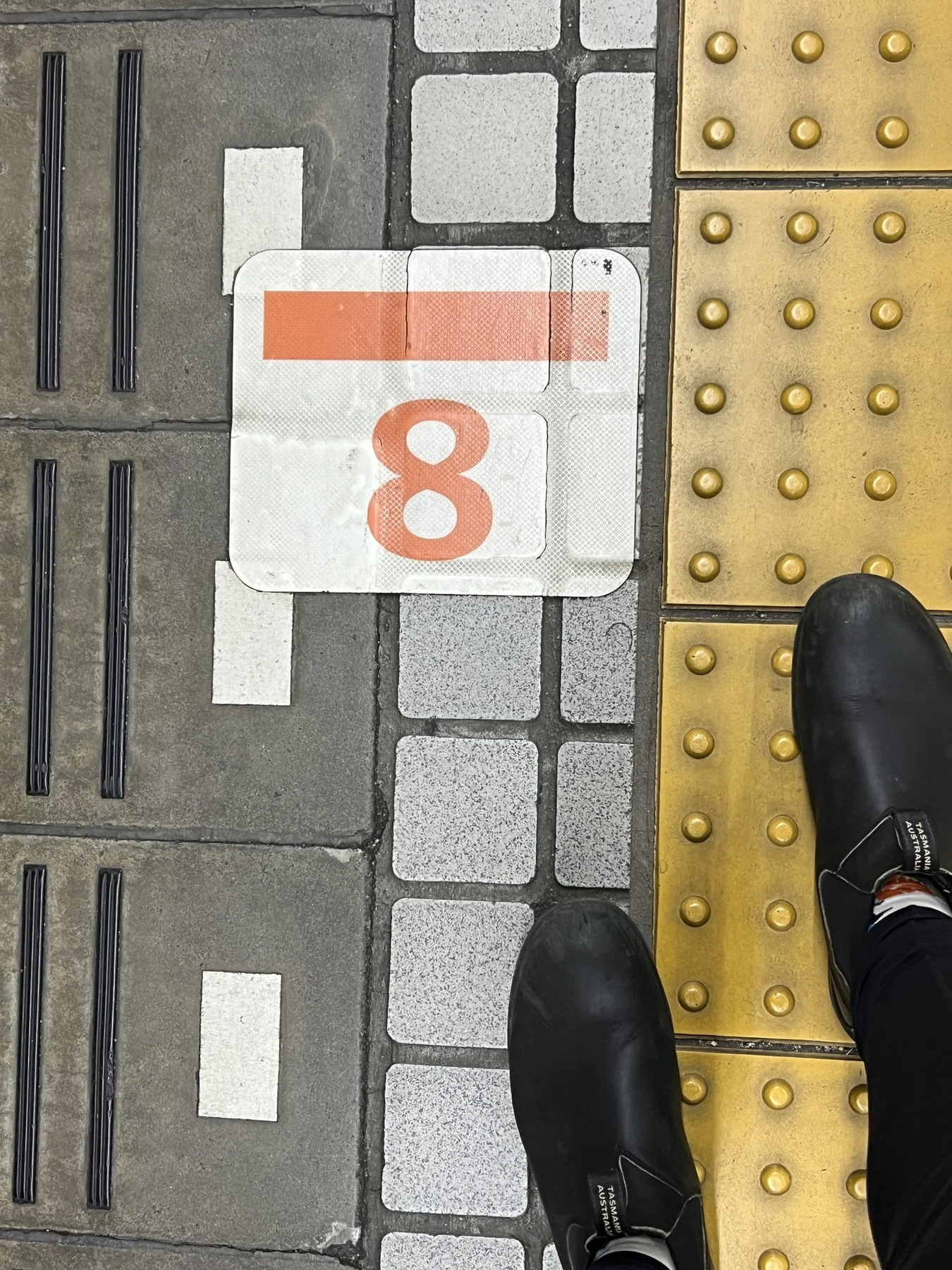
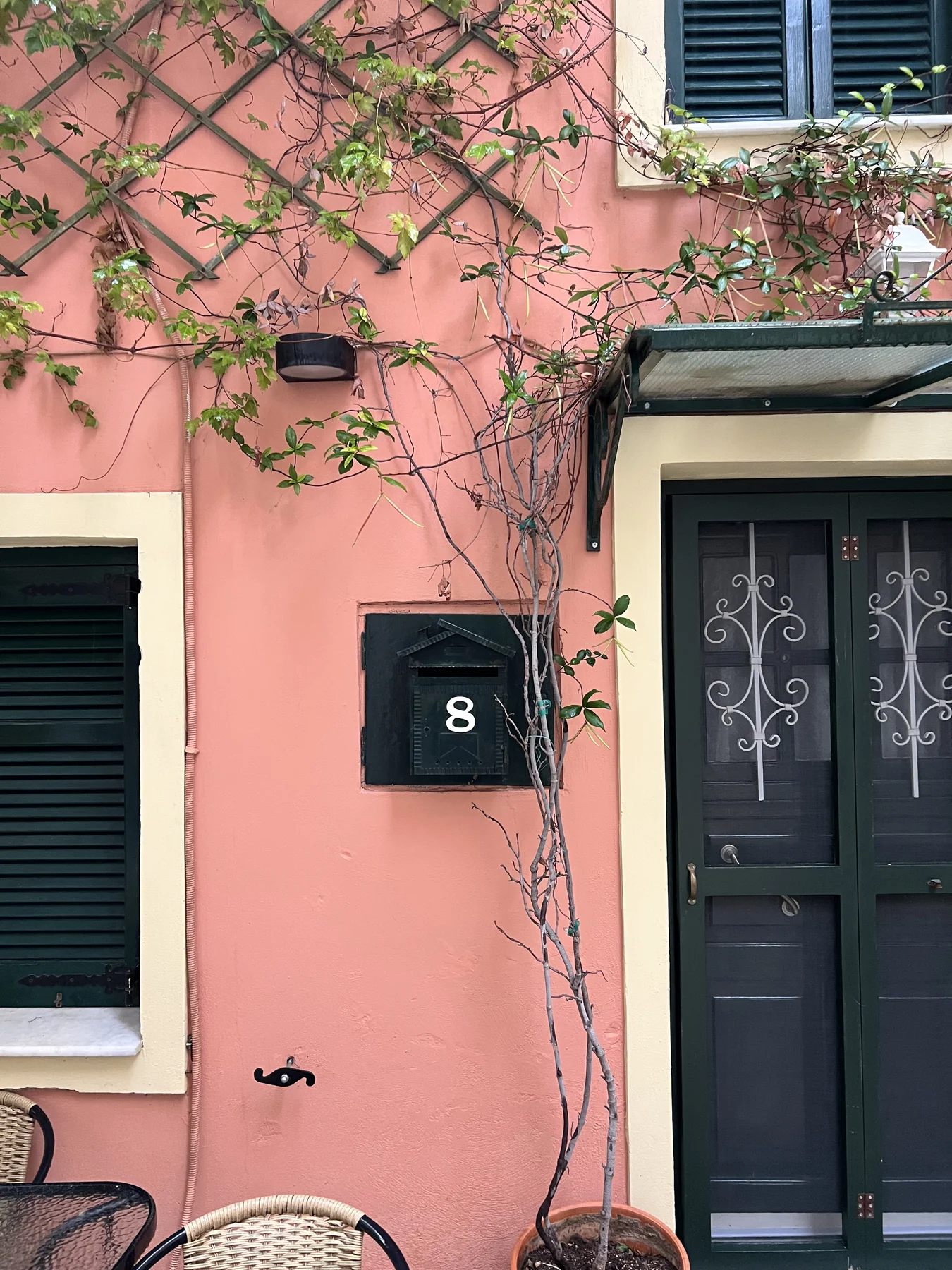
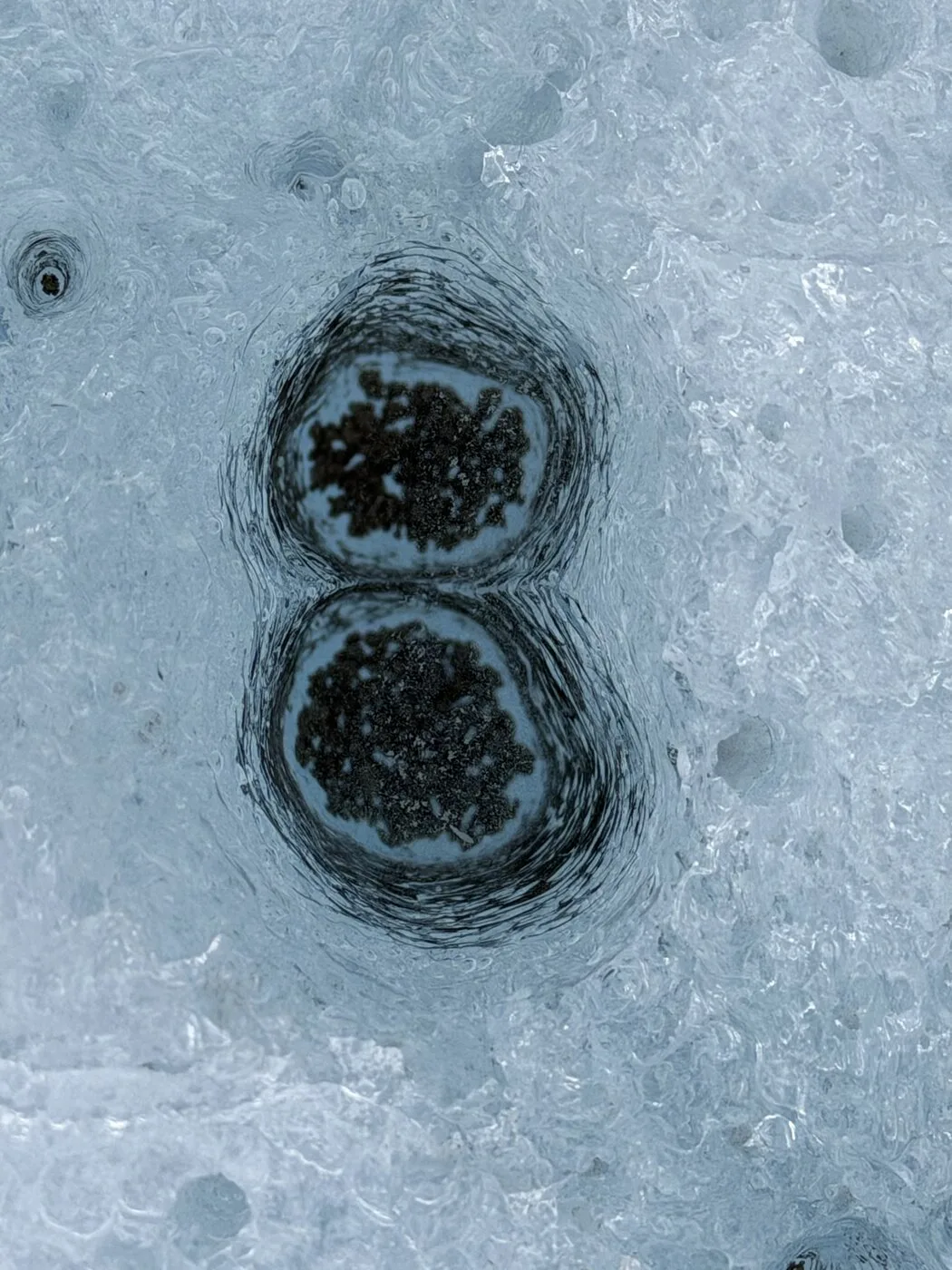
Sydney · Kii Peninsula · Corfu · Svalbard — the 8 travels with the walk
There's a kind of thinking that only happens at 5 kilometres per hour. Slower than a bicycle, faster than standing still. The body's rhythm entrains the mind into a particular frequency of attention — open, peripheral, associative — that I've never been able to produce sitting at a desk.
Every walk generates material for the other practices. Photographs. Audio recordings. GPS traces that become generative drawings. Voice memos that become essays, field recollections, fragments of Afterberry. The walking practice is the engine that feeds everything else.
I work in a lineage that includes Matsuo Bashō, whose Oku no Hosomichi established walking as both spiritual discipline and artistic method — “go to the pine if you want to learn about the pine” — as well as Richard Long, Hamish Fulton, the Situationists, and the deep mapping traditions of Tim Robinson and Robert Macfarlane. More immediately, the work of Bill Psarras — whose practice spans walking performance and the intermedia possibilities of ambulatory art — has been a formative influence through my MARes. But the walks are my own: shaped by coastal Australia and Japan, and by a life lived entirely on islands — Australia, Honshu, Corfu. Land that knows it ends.